
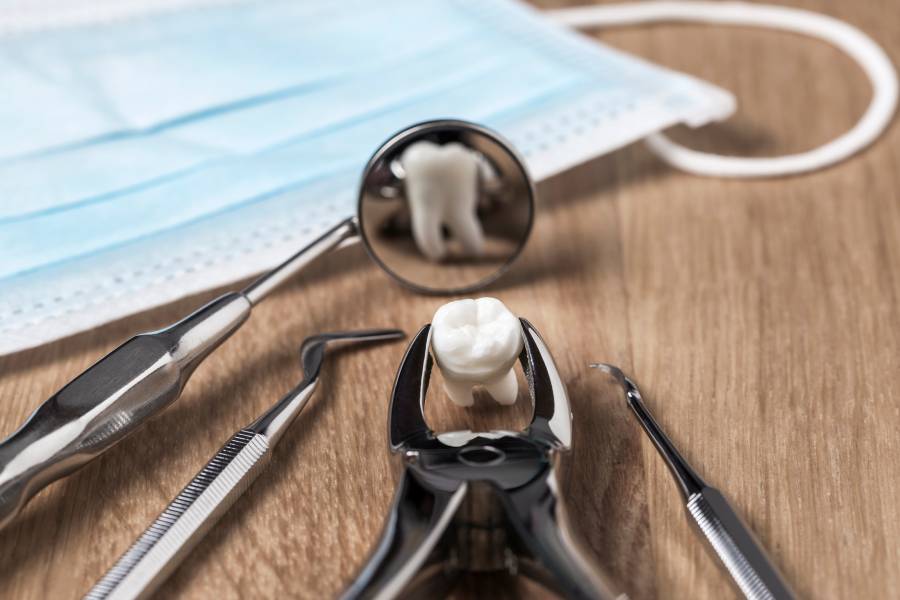
Tooth extraction is sometimes necessary to protect overall oral health. While preserving natural teeth is often a priority, there are situations where removing a tooth may help prevent further complications. A dentist in London, Ontario patients trust will carefully evaluate symptoms, X-rays, and overall oral condition before recommending extraction. Understanding the common reasons behind this procedure can help patients feel more informed and prepared.
1. Severe Tooth Decay
When tooth decay progresses deep into the tooth and reaches the pulp, it may cause infection, pain, or swelling. In some cases, restorative treatments are not enough to save the tooth. Removing the affected tooth may help prevent the infection from spreading to surrounding teeth or bone. Early dental visits may reduce the risk of decay reaching this stage.
2. Advanced Gum Disease
Periodontal disease affects the gums and supporting bone around the teeth. In advanced stages, teeth may become loose due to bone loss. Extraction may be recommended when a tooth no longer has adequate support. Addressing gum disease early through routine care at a London family dental practice may help reduce the likelihood of tooth loss.
3. Impacted Wisdom Teeth
Wisdom teeth often do not have enough space to erupt properly. Impacted wisdom teeth may grow at an angle, remain trapped under the gums, or partially emerge. This can lead to pain, swelling, infection, or damage to nearby teeth. Removing impacted wisdom teeth may help prevent ongoing discomfort and complications.
4. Overcrowding
In some situations, tooth extraction is suggested to manage overcrowding. When there is not enough space in the jaw, teeth may overlap or shift out of alignment. Removing one or more teeth may help create space for proper alignment, especially before orthodontic treatment. A dentist evaluates spacing carefully before making this recommendation.
5. Dental Trauma or Fracture
Accidents, falls, or sports injuries can cause teeth to crack or break severely. If the damage extends below the gumline or affects the root, repairing the tooth may not be possible. Extraction may be necessary to prevent pain or infection. After healing, replacement options such as dental implants, London, Ontario, patients consider may be discussed.
6. Infection That Does Not Respond to Treatment
Sometimes, infections persist even after treatments such as fillings or root canal therapy. If infection continues or returns, extraction may be advised to protect surrounding structures. Removing the tooth may help control the infection and support overall oral health.
7. Preparation for Tooth Replacement
In certain cases, extraction is part of a larger treatment plan. Teeth that are damaged beyond repair may need to be removed to prepare for replacement solutions. For example, a tooth may be extracted before placing a bridge or planning for dental implants London Ontario residents explore as a long-term option. Proper planning helps ensure stability and comfort after replacement.
What to Expect After Extraction
After a tooth extraction, healing typically involves a short recovery period. Dentists provide instructions on managing discomfort, swelling, and oral hygiene during healing. Following these guidelines may help reduce complications and support proper recovery. Discussions about tooth replacement options often take place once healing is complete.
Compassionate Dental Care When You Need It!
Tooth extraction is sometimes necessary to address pain, infection, overcrowding, or damage that cannot be managed through other treatments. If you are experiencing dental pain or have concerns about a tooth, the team at London Dental House is available to assess your situation and discuss appropriate care options.