
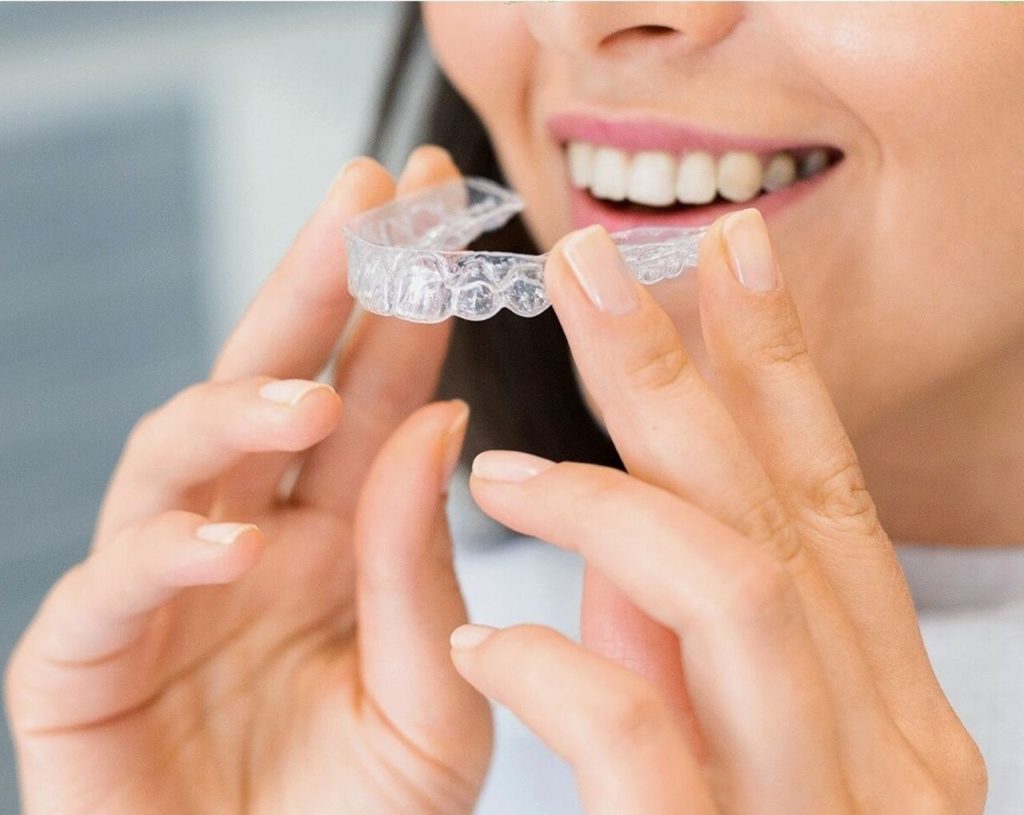
Finding an old retainer and trying to wear it again may seem like a simple way to correct teeth that have moved since orthodontic treatment. However, a retainer is designed to hold teeth in a particular position, not force them back into alignment.
If your teeth have shifted, an old appliance may no longer fit properly. Pushing it into place can create unnecessary pressure and potentially harm your teeth or gums.
Why Do Teeth Shift After Orthodontic Treatment?
Teeth can move throughout life, even after braces or clear aligner treatment. This movement is called orthodontic relapse. It may happen when someone stops wearing a retainer as instructed, but other factors can contribute.
Natural changes in the jaw, pressure from the tongue and lips, gum disease, tooth loss, and age-related changes may all affect tooth position. Even a small amount of movement can change how a retainer fits.
Regular retainer use helps maintain the position achieved through orthodontic treatment. If an appliance has been left unused for months or years, it may no longer match the current shape of your dental arches.
What Can Happen If You Force It?
An old retainer that feels tight or refuses to sit fully over your teeth should not be forced. Applying pressure may cause several problems:
- Tooth soreness: Uneven pressure can make individual teeth tender, particularly when biting or chewing.
- Gum irritation: An appliance that no longer fits may press against the gum tissue, causing redness, soreness, or small injuries.
- Unwanted tooth movement: A retainer may apply pressure in the wrong direction when the teeth have shifted.
- Appliance damage: Forcing a retainer can crack, bend, or distort it, making the fit less predictable.
- Bite changes: Uneven contact may affect how the upper and lower teeth come together.
Persistent pressure should never be treated as a sign that the retainer is working. Remove the appliance if it causes significant discomfort or does not seat properly.
Can an Old Retainer Correct Shifted Teeth?
A retainer is intended to maintain tooth position rather than actively move teeth. In some cases, minor changes may make an appliance feel slightly snug. However, noticeable resistance, pain, or an incomplete fit requires professional assessment.
A London family dentist can examine your teeth, gums, bite, and existing retainer to determine whether it remains suitable. Depending on the amount of movement, the dentist may recommend a replacement retainer or an orthodontic assessment.
If more substantial correction is needed, treatment options such as Invisalign in London, Ontario may be discussed. Clear aligners use a planned sequence of appliances to gradually move teeth. Their suitability depends on the patient’s dental condition and treatment goals.
What Should You Do Instead?
Do not bite down hard to push the retainer into place, bend its edges, or attempt to reshape it with heat. These actions may damage the appliance or increase pressure on your teeth.
Keep the retainer and bring it to your dental appointment. This allows the dental professional to check its condition and compare its shape with your current tooth positions. If you experience severe pain, swelling, or a loose tooth, seek prompt dental care.
Protect Your Results With the Right Retainer
Teeth may shift over time, but forcing an outdated retainer is not a safe way to address the change. A proper assessment can identify the extent of movement and help determine whether a new retainer or further orthodontic treatment is appropriate.
Need Help With a Retainer That No Longer Fits?
At Dr. Joseph’s Dentistry (London Dental House), patients can discuss changes in tooth alignment, retainer fit, and suitable next steps. If your old appliance feels tight or uncomfortable, arrange an assessment before wearing it again. Visit London Dental House to learn more or request an appointment.