
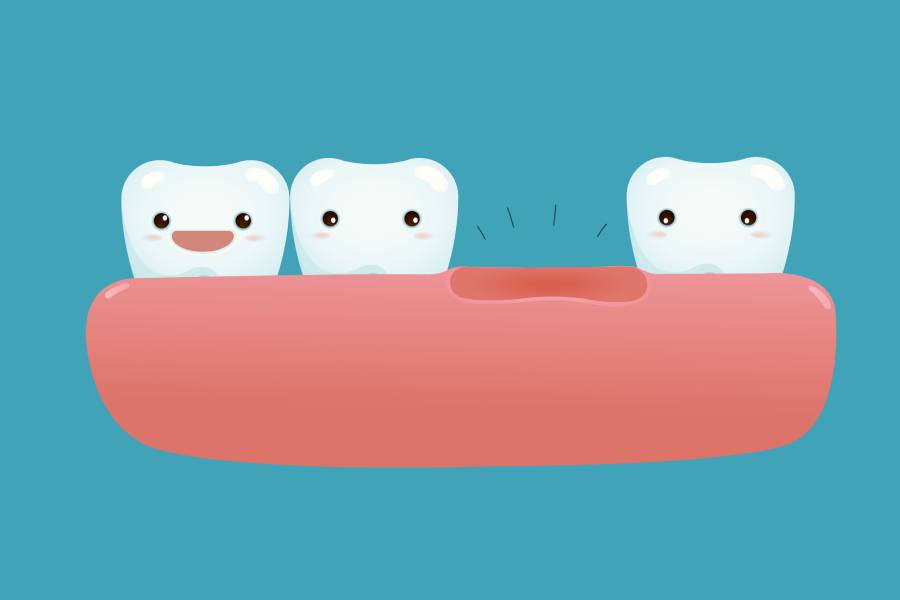
Missing teeth can affect more than just appearance. Gaps in the smile may influence how a person chews, speaks, and maintains oral hygiene. Over time, tooth loss can also affect the surrounding teeth and jawbone. Understanding the available options for replacing missing teeth allows individuals to make informed decisions that support long-term oral health and daily comfort. A dentist in London, Ontario patients rely on can help explain these options and guide the decision-making process.
Why Replacing Missing Teeth Matters
When a tooth is lost, the surrounding teeth may begin to shift into the open space. This movement can change bite alignment and make cleaning more difficult. In addition, the jawbone in the area of the missing tooth may gradually lose density due to a lack of stimulation. Replacing missing teeth may help maintain proper spacing, support chewing function, and reduce strain on remaining teeth.
Dental Implants
Dental implants are one option for replacing missing teeth. They consist of a small post placed into the jawbone, which acts as a replacement root. Once healed, a crown is attached to restore the appearance and function of the tooth. Dental implants London Ontario patients consider are designed to blend with natural teeth and function independently, without relying on neighbouring teeth for support.
Implants may be suitable for individuals with adequate bone structure and good oral health. They are commonly used to replace a single tooth or multiple teeth and can also support implant-retained dentures. A thorough evaluation is required to determine whether this option is appropriate.
Dental Bridges
A dental bridge is another option for replacing one or more missing teeth. Bridges use adjacent teeth for support by placing crowns on the neighbouring teeth and connecting them to an artificial tooth in between. This option may restore function and appearance relatively quickly.
However, bridges rely on surrounding teeth, which means those teeth need to be prepared. This approach may be recommended when dental implants are not suitable due to bone or health considerations. A dentist can explain the benefits and limitations of bridges during a consultation.
Partial Dentures
Partial dentures are removable appliances that replace multiple missing teeth. They are designed to fit around remaining natural teeth and can be taken out for cleaning. Partial dentures may be a more affordable option and can be adjusted if additional teeth are lost in the future.
While partial dentures restore basic function, they may feel less stable than fixed options. Regular adjustments and follow-up visits are often needed to maintain comfort and fit.
Full Dentures
When most or all teeth are missing, full dentures may be considered. These removable appliances replace an entire arch of teeth and rest on the gums. Dentures help restore the ability to eat and speak, though adaptation may take time.
Some individuals choose to combine dentures with implants for added stability. This option may improve retention and comfort compared to traditional dentures alone.
Choosing the Right Option
The right solution for missing teeth depends on several factors, including the number of missing teeth, oral health, bone condition, lifestyle, and personal preferences. A comprehensive evaluation at a London family dental practice allows patients to explore options that align with their needs and goals. Dentists focus on function, comfort, and long-term oral health when discussing treatment choices.
Explore Tooth Replacement Options with Professional Guidance!
Missing teeth can impact oral health and daily life, but several replacement options are available. If you are considering options for missing teeth, our team at London Dental House provides supportive care and clear guidance tailored to your needs.